Quick answer: A low coolant level means the cooling system has less fluid than the vehicle expects. It may result from an external leak, an internal leak, trapped air after service, or an incorrect reading, and the cause needs confirmation. If a temperature warning appears, steam is visible, or the engine runs hot, stop safely and follow the owner’s manual.
What a low coolant level means
Engine coolant carries heat away from the engine and helps protect the cooling system. A low reading means the amount in the reservoir or system is below the specified range for the conditions under which it was checked.
That reading is a starting point rather than a diagnosis. The level can fall because fluid has escaped, because air remained after recent service, or because the check was made under conditions that do not match the vehicle manufacturer’s procedure. A sensor or reservoir issue can also produce a warning that needs confirmation.
Toyota’s engine-coolant guidance explains that coolant helps manage engine heat and that the correct coolant and service instructions depend on the vehicle’s owner’s manual. The same principle applies across brands: use the information written for the exact vehicle instead of relying on color or a universal formula.
Signs that may appear with low coolant
The level itself is only one clue. The surrounding pattern helps a technician decide what to inspect first.
| What you notice | What it may indicate | Safer next step |
|---|---|---|
| A low-coolant message with no other symptom | Actual low level, a sensor concern, or an incorrect reading | Check the owner’s manual and arrange inspection if the warning remains or returns |
| A puddle, wet area, dried residue, or sweet odor | Possible external coolant loss | Keep people and animals away from the fluid and have the source inspected |
| Gurgling or changing cabin heat | Air or reduced coolant circulation may be involved | Record when it happens and avoid assuming the heater itself has failed |
| Rising temperature, steam, or a high-temperature warning | Possible overheating | Stop safely, shut the vehicle down as directed, and seek immediate guidance |
No single item in this table identifies the failed component. Coolant warnings and temperature displays also vary by model, so note the exact message or symbol instead of describing it from memory.
Why the coolant level may be low
External coolant loss
Coolant can escape from a hose, connection, reservoir, radiator, water pump, thermostat housing, heater circuit, seal, or another part of the system. Some leaks leave a puddle. Others appear only when the system is hot and pressurized, or they leave dried residue without an obvious pool of fluid.
Big Mission’s coolant-leak inspection and repair page describes the commercial service path for locating and repairing coolant loss. This article keeps the broader reader question separate because a low level does not prove that a particular component is leaking.
Internal coolant loss or another system problem
Coolant may also enter an area where it should not be, or the system may fail to hold or move coolant correctly. Possible evidence can include repeated level loss, overheating, unusual exhaust vapor after the vehicle is warm, contaminated fluid, or pressure behavior that requires testing. Those clues overlap with other problems and need professional interpretation.
Recent service, trapped air, or an incorrect check
A level can change after cooling-system work if air moves through the system or the fill procedure was incomplete. Temperature, parking angle, and the manufacturer’s specified check point may also affect what the driver sees. Compare the reading only under the conditions stated in the owner’s manual.
What to do when a low-coolant warning appears
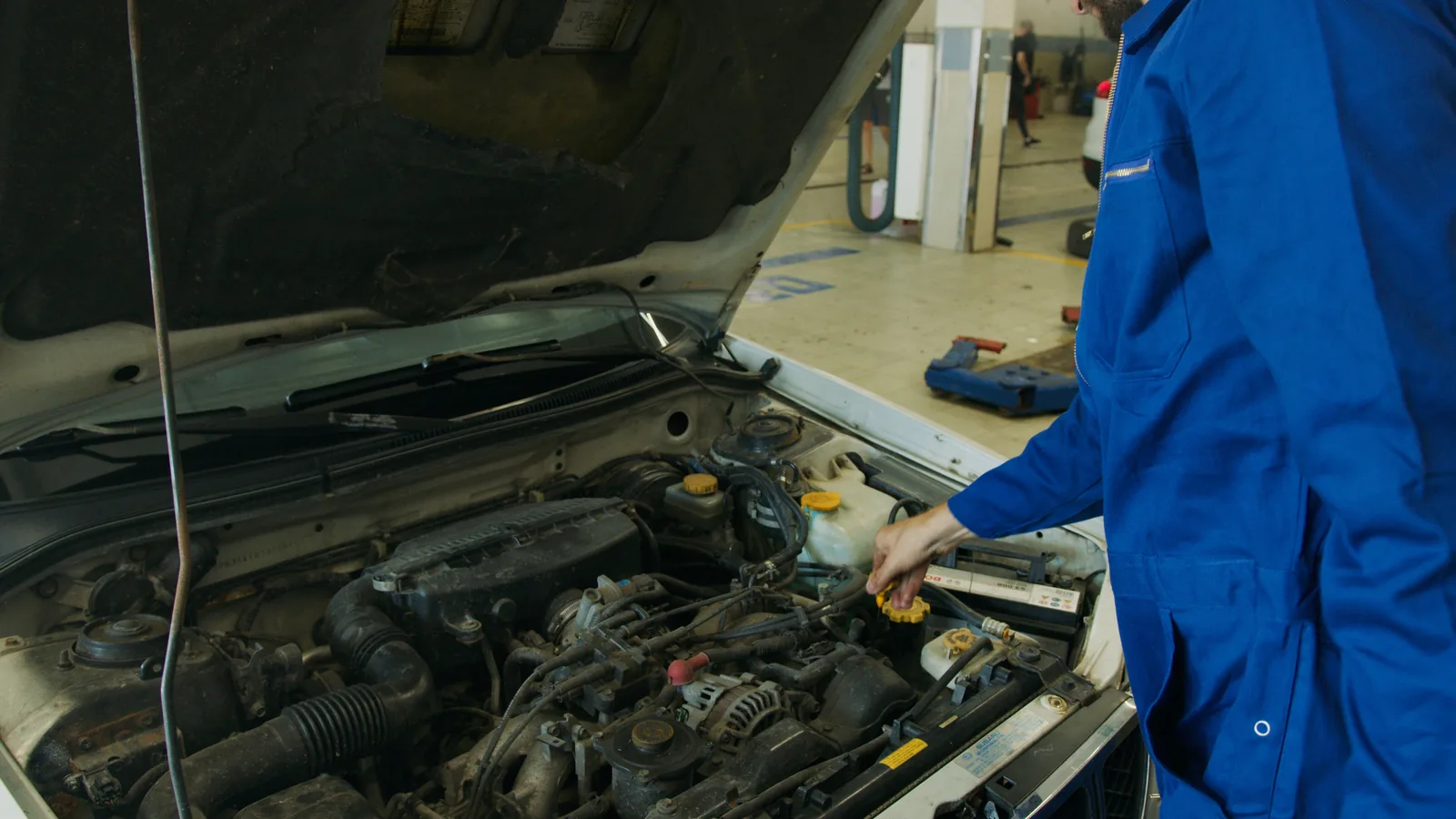
Read the dashboard message and check the temperature display. If the engine temperature is normal and the manufacturer allows a visual reservoir check, wait until the vehicle is parked safely and use the owner’s manual for the exact procedure.
Keep these limits in mind:
- Do not open a hot radiator, reservoir, or pressurized cooling-system cap.
- Do not keep driving to see whether a high-temperature warning disappears.
- Do not mix coolant products based only on color.
- Do not pour in a universal fluid unless the vehicle manufacturer identifies it as compatible.
- Do not treat a top-off as proof that the underlying problem is resolved.
If you cannot confirm the correct procedure or fluid, leave the system closed and contact a qualified shop or roadside provider.
Can you just top off the coolant?
Adding the correct coolant may restore the level in a situation where the vehicle manufacturer permits it. It does not explain why the level changed. A recurring warning, visible loss, overheating, or a recent repair still deserves investigation.
Coolant chemistry and concentration matter. The wrong product can be incompatible with the vehicle’s requirements, and water alone may not provide the specified boiling, freezing, or corrosion protection. Use the owner’s manual or current manufacturer service information for the exact vehicle.
What a professional inspection may check
The first step is to confirm the warning and the actual level using the correct vehicle procedure. The technician can then choose checks that fit the symptoms and cooling-system design. Depending on the evidence, an inspection may include:
- The reservoir, cap, hoses, connections, radiator, and visible cooling-system parts
- Dried residue, wet areas, or signs of fluid beneath the vehicle
- Pressure retention or leak testing when appropriate for the system
- Water-pump operation, temperature behavior, and coolant circulation
- Recent repair history, coolant specification, and the correct fill or bleeding procedure
- Further testing when the pattern suggests an internal leak or another engine concern
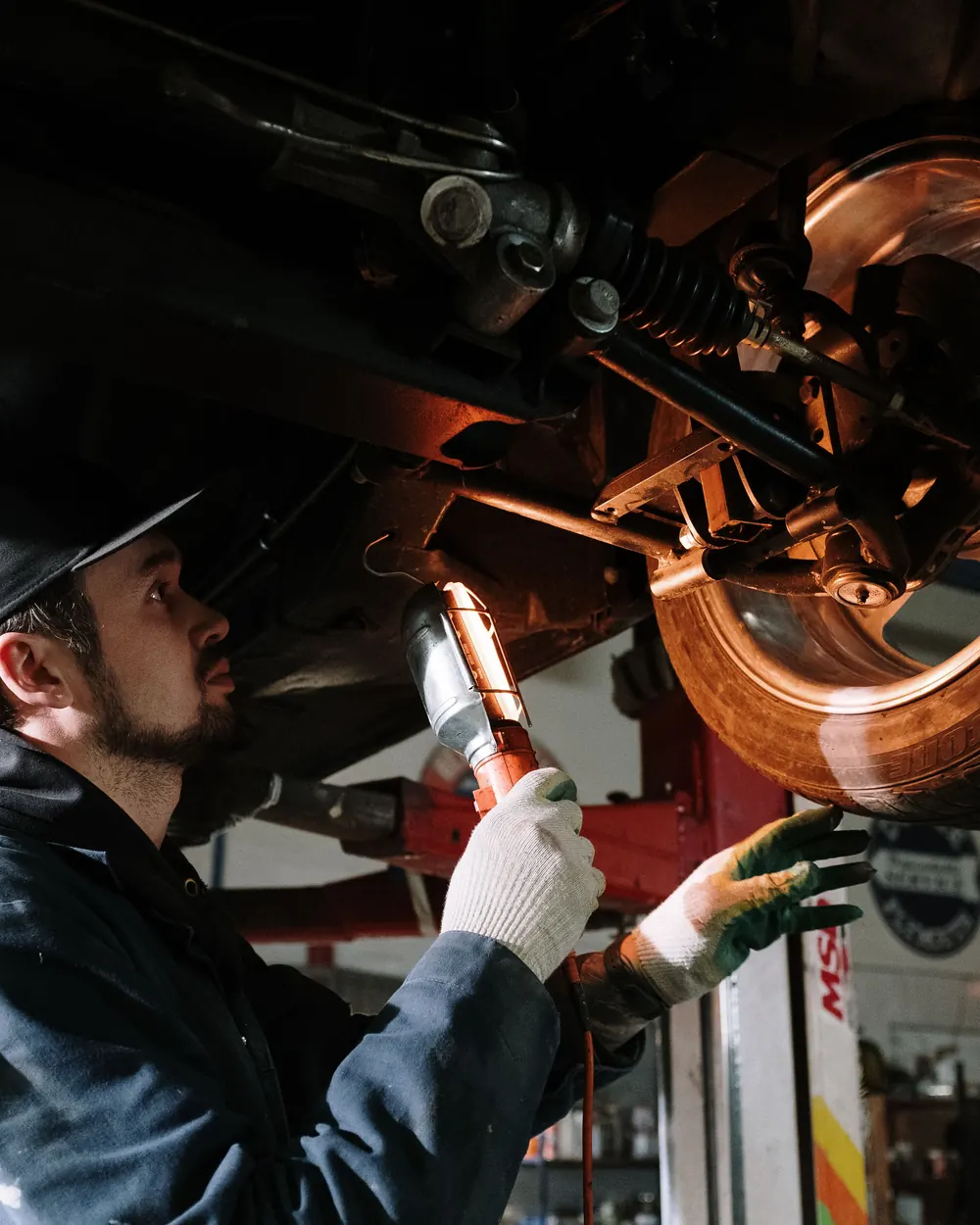
Big Mission provides heating and cooling system inspection for European and other vehicles in the Colorado Springs area. Bring the exact warning text, a photograph of the display if it was safe to take one while parked, and notes about recent service or fluid found under the vehicle.
When to stop driving
Stop in a safe place when the coolant-temperature warning appears, the gauge enters the hot range, steam is visible, or the engine loses power or behaves abnormally while running hot. Toyota’s warning-light guidance gives one manufacturer example: its high coolant-temperature warning directs the driver to stop the vehicle safely.
The warning symbol and shutdown instructions may differ on your vehicle. Follow its owner’s manual, turn off the engine when directed, and arrange roadside assistance if safe operation is uncertain. Never remove a cooling-system cap while the system is hot or pressurized.
When to arrange a cooling-system inspection
Schedule an inspection when the level drops again, a warning returns, residue or fluid appears, cabin heat changes, or the vehicle recently had cooling-system work. Prompt inspection is also sensible when the reading is low and you cannot verify the correct fluid or check procedure.
BMW owners can also review Big Mission’s BMW coolant-leak guide for brand-specific context. The next step for any vehicle should still be based on its actual warning, service information, and inspection findings.