Quick answer: Struts are suspension assemblies that control spring and wheel movement while also serving as structural mounting members. Conventional shock absorbers mainly damp movement and are not structural in the same way. A vehicle may use struts on one axle and shocks on another, so symptoms, inspection points, and replacement parts depend on the exact design.
What a strut does in a car
A strut helps control suspension movement while also forming part of the structure that positions and supports the wheel assembly. It connects suspension and body mounting points, and its internal damper resists uncontrolled spring movement after the wheel encounters a bump, dip, or change in load.
That damping helps the tire follow the road instead of continuing to bounce. The structural role is what separates a strut from a conventional standalone shock absorber.
Monroe’s shocks-versus-struts technical guide explains that a conventional shock is an individual damping component, while a strut also serves as a structural suspension member. The exact loads, geometry, and attachment points still depend on the vehicle.
Shocks vs. struts: what is the difference?
Both components manage suspension motion, but they do not always occupy the same place in the suspension design.
| Feature | Conventional shock absorber | Strut |
|---|---|---|
| Primary role | Damp spring and wheel movement | Damp movement and serve as a structural suspension member |
| Spring relationship | Usually separate from the shock | Often packaged with or supports a coil spring |
| Effect on wheel geometry | Not normally a primary structural locating member | Mounting and condition can affect suspension geometry |
| Common service form | Individual shock | Bare strut, loaded assembly, or other vehicle-specific configuration |
These are general distinctions. Coil-over products, air suspension, adaptive dampers, and other designs can package components differently. Identify the system by vehicle information rather than by a generic diagram.
What may be included in a strut assembly
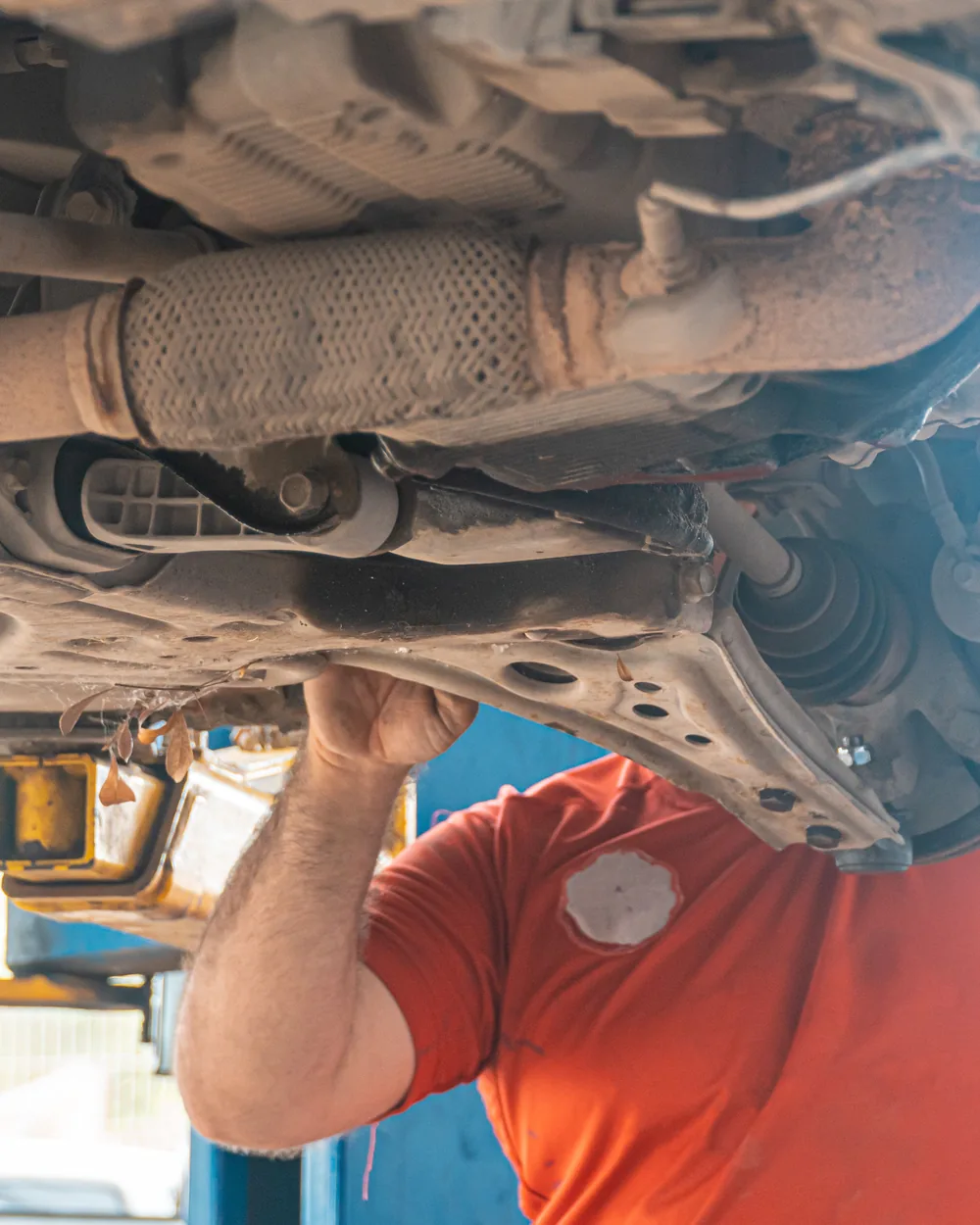
A complete or loaded strut assembly may combine the damper, coil spring, upper mount, bearing, spring seats, dust boot, and bump stop. A different service part may include only the strut housing and damper.
The upper mount can isolate noise and vibration. On some front designs, a bearing at the mount permits movement as the wheels steer. Springs remain under stored force, so disassembly and installation require the correct equipment and service procedure.
Do not assume that ordering a “strut” means the same parts arrive for every model. The vehicle identification number, axle location, suspension option, and current parts catalog determine what is included.
Why suspension layouts vary by vehicle
A vehicle can use struts at the front and conventional shocks at the rear, shocks at both ends, or another design. Performance, load, packaging, steering geometry, air suspension, and adaptive-control requirements all influence the layout.
This variation also separates the topic from Big Mission’s ball-joint article. A ball joint is a pivoting connection used in certain suspension arrangements. A strut combines damping with structural duties. One vehicle may use both components in related parts of the suspension, while another layout may differ.
How shocks and struts can wear
Every suspension cycle moves the damper piston and loads mounts, bushings, seals, and nearby hardware. Monroe’s wear guide describes repeated heat cycles, bushing deterioration, and impacts as possible contributors to reduced performance or damage.
Road conditions and vehicle use affect the pattern. A hard pothole impact can damage a component suddenly. Internal damping and rubber parts may also change gradually, making the difference less obvious to a driver who adapts to it over time.
Wear in tires, mounts, springs, control arms, links, joints, wheel bearings, or steering parts can create similar observations. That overlap is why a symptom list cannot identify the repair by itself.
Possible signs that deserve inspection
Drivers may notice one or more changes, including:
- Continued bouncing or extra body movement after a bump
- More pitching, diving, or leaning than usual
- A clunk, rattle, squeak, or knock from a suspension area
- Steering or handling that feels less settled
- Uneven or cupped tire wear
- Visible damage around a mount, spring, boot, or strut body
- Fluid that appears to cover or drip from the damper body
- A change reported during a tire, alignment, or suspension inspection
Each clue has several possible causes. Compare the behavior with the vehicle’s normal condition and record when it occurs rather than assigning the problem to a strut.
What visible fluid can and cannot tell you
A thin film near the damper seal is different from a unit that is broadly wet or dripping. Monroe’s weepage-versus-leakage guidance explains that light oil weepage does not automatically establish failure in its inspection framework.
Visual condition is only one part of the decision. The technician should consider the amount and location of fluid, damage, damping behavior, mileage and history, manufacturer guidance, and related suspension findings.
Why symptoms do not identify the failed part
Noise near a strut can come from the damper, upper mount, bearing, spring, fastener, or another nearby component. A Mitsubishi service bulletin hosted by NHTSA gives a model-specific example in which creaking or popping on named Outlanders may involve a deformed strut-bearing support under spring load.
That bulletin does not apply to other vehicles. It demonstrates why technicians confirm the noisy component and use current service information before choosing parts or a procedure.
What a professional inspection may check
An inspection can begin by reproducing the concern and identifying the suspension layout. Depending on the vehicle and symptom, the technician may check:
- Strut or shock bodies, mounts, bushings, springs, boots, and visible attachments
- Fluid condition, physical damage, looseness, and unusual movement
- Tire wear, ride height, wheel condition, and related steering or suspension parts
- Noise while steering, braking, or moving through controlled suspension travel
- Vehicle-specific service limits, procedures, and alignment requirements
- Electronic faults or adaptive-suspension data when the vehicle uses those systems
Big Mission provides professional suspension inspection for European and other vehicles in the Colorado Springs area. Share where the sound or movement seems to occur, the road condition that triggers it, and any recent tire, alignment, or suspension work.

When replacement may be recommended
Replacement may be appropriate when inspection confirms poor damping, leakage beyond the applicable limit, structural damage, mount or bearing failure, or another condition that the manufacturer says requires service. The parts replaced together and any alignment steps depend on the vehicle and repair procedure.
There is no universal mileage at which every shock or strut fails. Use condition, measured findings, vehicle history, and manufacturer guidance rather than a generic interval. Big Mission’s shock and strut replacement service covers the commercial repair path after the failed component and required parts are confirmed.