Quick answer: A fuel induction service is a broad name for cleaning selected parts of an engine's air and fuel path. It is not one standardized procedure. Before authorizing it, ask what will be cleaned, why it is recommended, and what evidence supports the work. The correct decision depends on the exact engine, manufacturer information, symptoms, and diagnostic findings.
What a fuel induction service may include
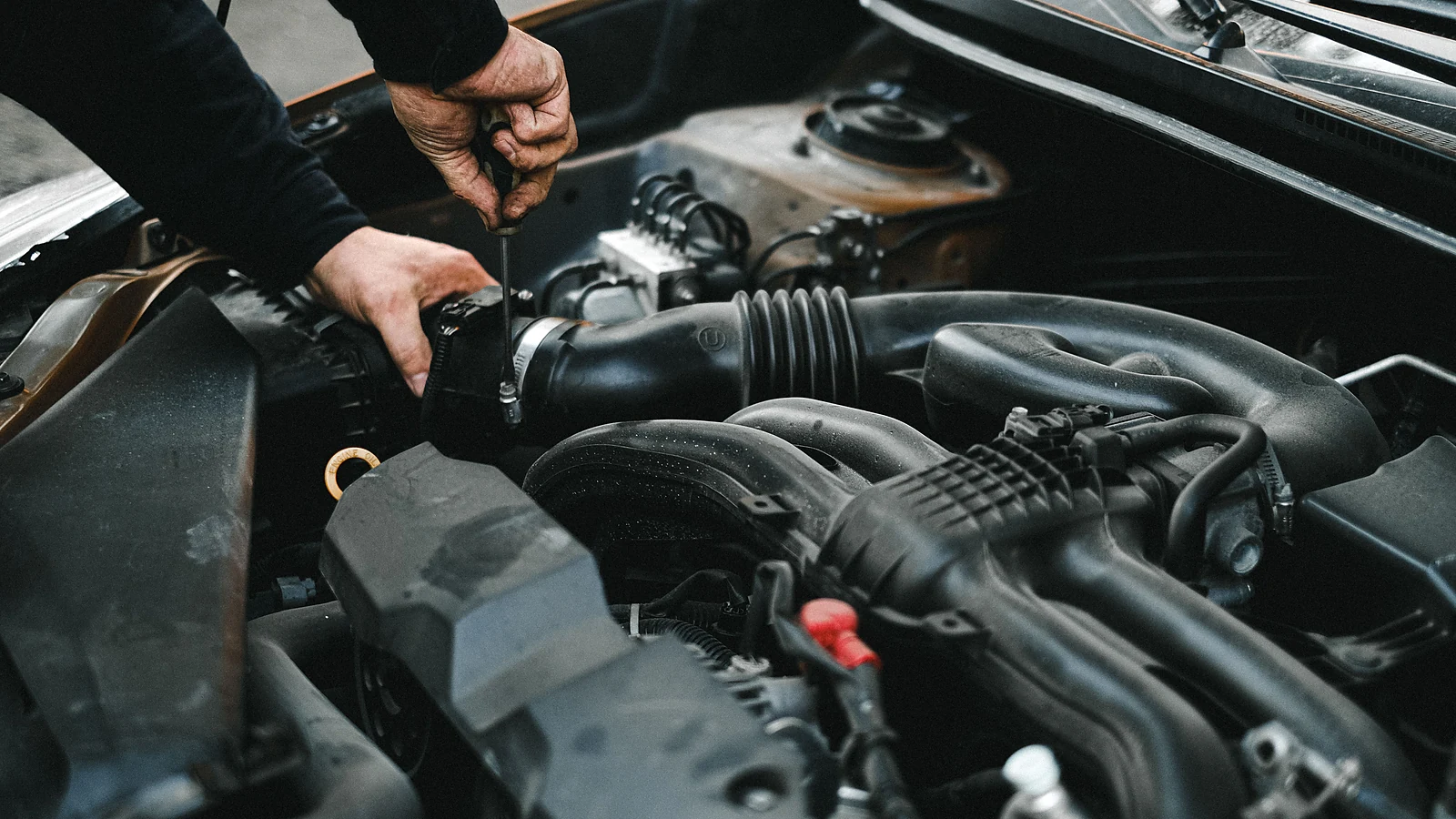
Shops can use the term fuel induction service for different cleaning packages. Depending on the vehicle and the provider, the proposed work may involve the throttle body, air-intake passages, intake ports or valves, fuel injectors, or combustion chambers. Some services address only part of that list.
That is why the service name is not enough to evaluate a recommendation. The estimate should identify the exact components, cleaning method, approved product or equipment, and reason for the work. It should also explain whether the recommendation comes from scheduled maintenance information, a vehicle-specific bulletin, confirmed deposits, or diagnosis of a current problem.
Cleaning is not the same as repairing a failed injector, air leak, sensor, ignition component, fuel-pressure problem, or mechanical fault. If a symptom is present, diagnosis should establish what needs attention before a cleaning package is treated as the answer.
Fuel induction service vs. fuel injection service
The terms can overlap, and different facilities may use them differently. Ask for the written scope rather than relying on the label.
| Term on an estimate | What it may refer to | What to confirm |
|---|---|---|
| Fuel induction service | Cleaning one or more air-intake, intake-valve, injector, or combustion areas | Exact components, method, product, and evidence |
| Fuel injection cleaning | Cleaning injectors or the fuel-delivery side of the system | Whether testing indicates restricted or contaminated injectors |
| Fuel injection repair | Diagnosis and correction of a failed injector, circuit, seal, pump, rail, or related fault | Test results, failed component, and repair procedure |
Big Mission Automotive's fuel injection repair and replacement service is the next step when testing identifies a fault that needs repair. This article explains cleaning terminology and decision-making. A cleaning service should not be presented as a substitute for a repair that testing has shown is necessary.
Why engine design changes the recommendation
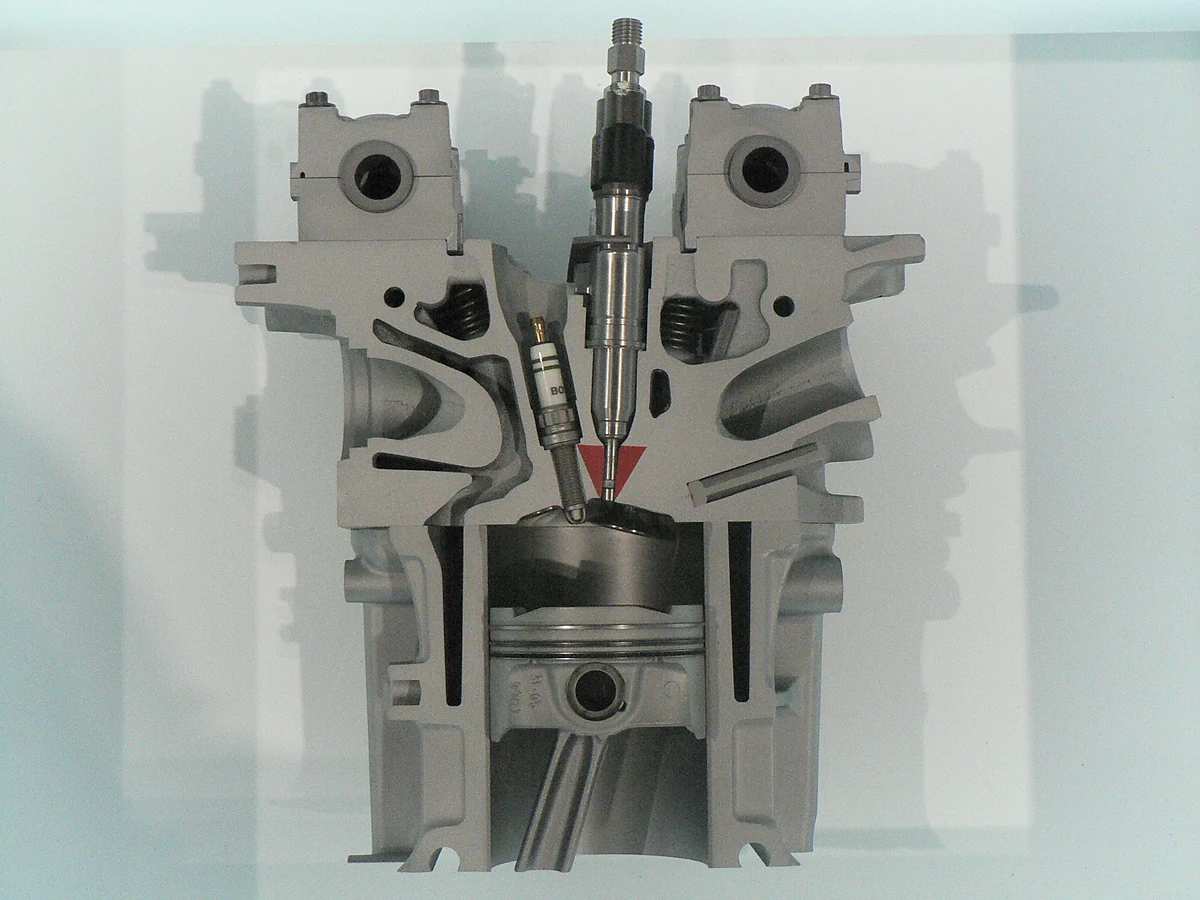
Gasoline engines can use port injection, direct injection, or a system that uses both. Bosch's gasoline direct-injection overview explains that direct injectors meter fuel inside the combustion chamber. It also notes that port injection provides a cleaning effect on intake-manifold ports and valves.
Because components and operating strategies differ, the applicable inspection and service method must come from current engine-specific guidance and diagnostic findings. An engine should not be assigned a generic cleaning interval merely because it uses direct injection, and a procedure approved for one engine should not be assumed safe or useful for another.
A MINI service bulletin hosted by NHTSA illustrates that specificity. The bulletin applies only to listed MINI models with the N14 engine. It directs technicians through fault checks before choosing among repairs, intake-port cleaning, or injection cleaning, depending on the findings and deposit level. Its products, thresholds, and procedures are not instructions for other engines.
Signs that need diagnosis before cleaning
Rough idle, hesitation, reduced performance, misfire faults, increased fuel use, or a check-engine light may accompany air, fuel, or deposit problems. None of those observations proves that deposits are the cause. Ignition faults, unmetered air, fuel-pressure problems, sensors, software, wiring, compression, and other mechanical conditions can produce similar complaints.
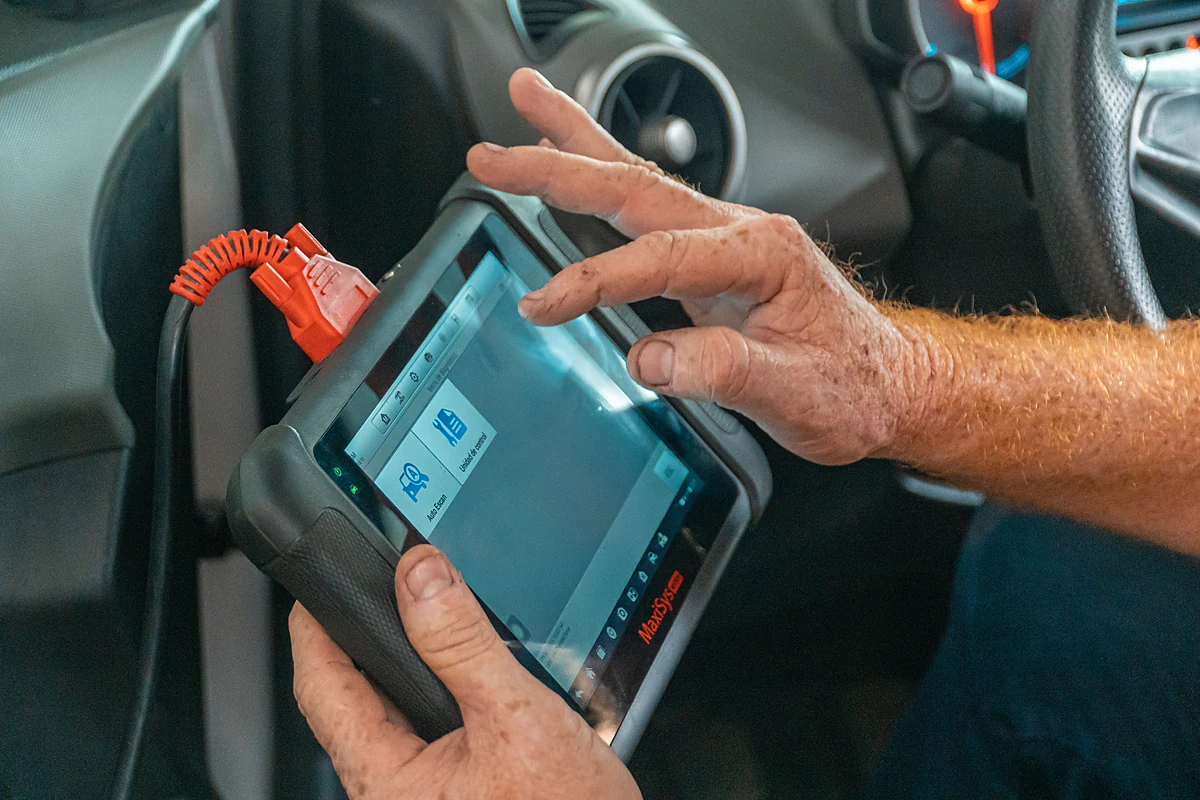
Do not clear codes or add an unapproved chemical simply to see whether a warning returns. Record when the symptom happens, whether the engine is cold or warm, recent fuel or repair history, and any dashboard message. Review what a check-engine light can mean, then arrange engine diagnostics when a warning or drivability issue is present.
When a fuel induction service may make sense
A vehicle-specific induction or injection cleaning may be reasonable when current manufacturer information calls for it, a relevant technical procedure applies, inspection confirms deposits in the area the procedure addresses, or diagnosis has ruled out other causes and supports the work.
Mileage alone is not enough to establish need across every vehicle. Neither is a photograph of another engine or a generic demonstration of dirty components. The recommendation should connect the exact vehicle and its evidence to an appropriate procedure.
If no symptom is present, ask whether the service is listed in the current maintenance information for the VIN and engine. If a symptom is present, ask which tests identify deposits as the likely cause and how the proposed service differs from further diagnosis or repair.
Questions to ask before authorizing the service
- Which exact components will be inspected and cleaned?
- What symptom, test result, service information, or visible evidence supports the recommendation?
- Does the manufacturer approve this method and product for this engine?
- Is this preventive maintenance, a response to confirmed deposits, or part of diagnosing a drivability problem?
- What result will be checked after the work, and what happens if the symptom remains?
A clear estimate should answer those questions without guaranteeing an outcome that the evidence cannot support.
How fuel choice fits into deposit prevention
In an independent laboratory test, AAA compared TOP TIER and non-TOP TIER gasoline under its test conditions. The tested non-TOP TIER fuels produced substantially more engine deposits after simulated driving. That result supports attention to fuel quality, but it does not replace vehicle-specific diagnosis.
Use the octane rating and fuel type specified for the vehicle, and follow current manufacturer guidance on approved fuel and additives. Do not assume that premium octane, a bottle of cleaner, or a change in fuel brand will correct a diagnosed component failure or every form of intake deposit.
Bring the right information to a service discussion
Colorado Springs and Palmer Lake drivers can use Big Mission Automotive's routine maintenance services to review vehicle-specific maintenance information and service history. If a warning light, rough running, hesitation, or another drivability symptom is present, contact Big Mission Automotive with the VIN, mileage, warning details, and recent repair history.
This article provides general educational information. Whether a fuel induction service is appropriate cannot be determined from a service name, symptom, engine category, or universal mileage rule alone.