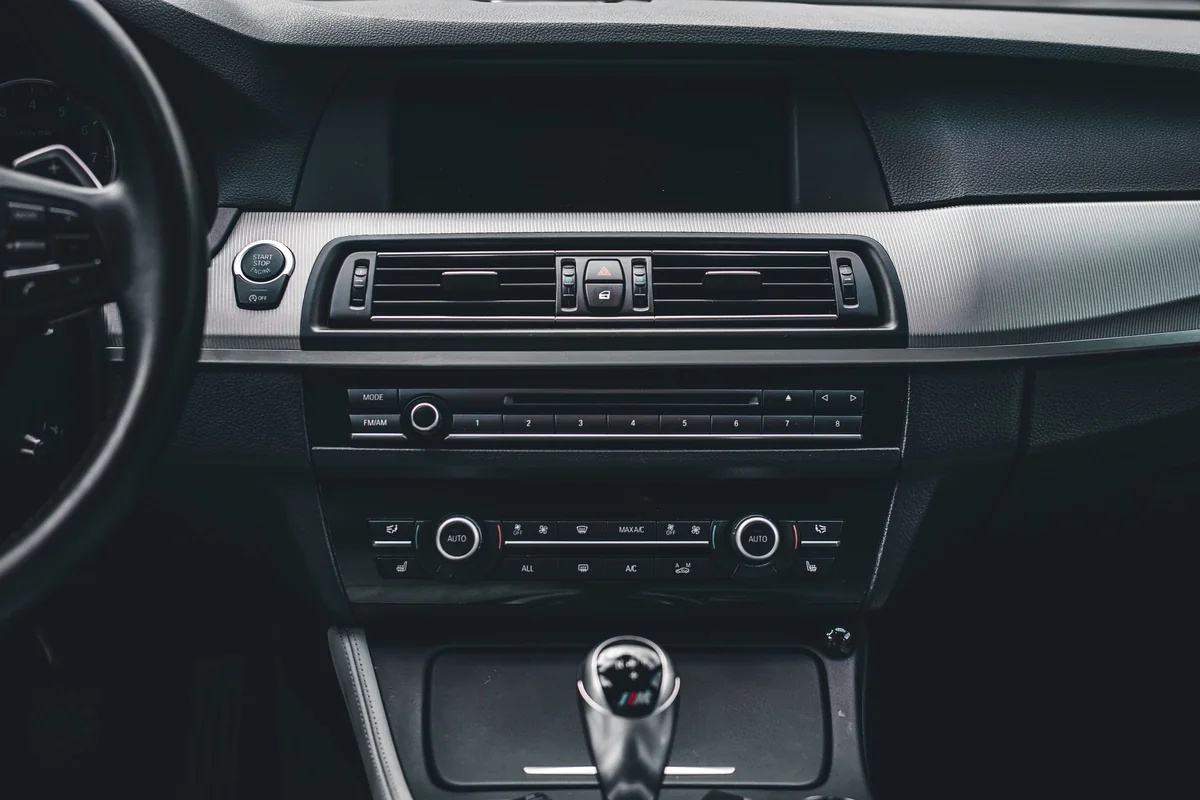
Quick answer: A car heater blowing cold air may have a problem with heat supply, airflow or temperature controls, so the symptom alone does not identify a failed part. Record the settings and affected outlets, but stop safely and seek help if an engine-temperature warning appears or you cannot maintain clear visibility.
Separate cold air from weak airflow
“The heater doesn't work” can describe different problems. Perhaps air moves normally but never feels warm. Perhaps very little air reaches the windshield, or one area of the cabin stays cold while another warms up. Those distinctions give a shop more to work with than a suspected part name.
For a conventional coolant-based heater, DENSO explains that warm engine coolant transfers heat through the heater core. A blower moves air through the unit and toward the cabin outlets. Heat transfer and air movement are separate parts of that process.
That does not mean every cold vent proves a coolant problem or a failed heater core. Electric and hybrid vehicles can use different heating arrangements, and controls vary across models. Use the instructions for your vehicle rather than a generic warm-up time or repair sequence.
For a Palmer Lake morning appointment, useful notes start with what actually happened: which outlets stayed cold, what settings were selected and whether any warning appeared. There is no need to reproduce a dangerous symptom to make those notes complete.
Check the controls while safely parked
If visibility and engine temperature are normal, review the owner's manual and note the climate settings while safely parked. Keep attention on the road when driving; do not try to film the dashboard or compare vents on the move.
Use this short sequence:
- Identify the selected mode. Record the requested temperature, fan setting and outlet selection. On a vehicle with separate temperature zones, note each zone's setting.
- Describe the air movement. Say whether airflow seems normal, weak or absent. Identify the affected outlet rather than saying only “the front.”
- Record the timing you already observed. Was the problem present immediately after startup, throughout the trip or only intermittently? Note whether the vehicle had been parked overnight.
- Keep warnings separate. Write the exact dashboard message and any unusual temperature indication. Follow the manual's safety directions before continuing with observations.
Do not select unfamiliar service menus, remove trim or force a control that will not move. A photo of the settings taken while safely parked can help. The photograph records the display; it does not prove that the commanded temperature reached the vents.
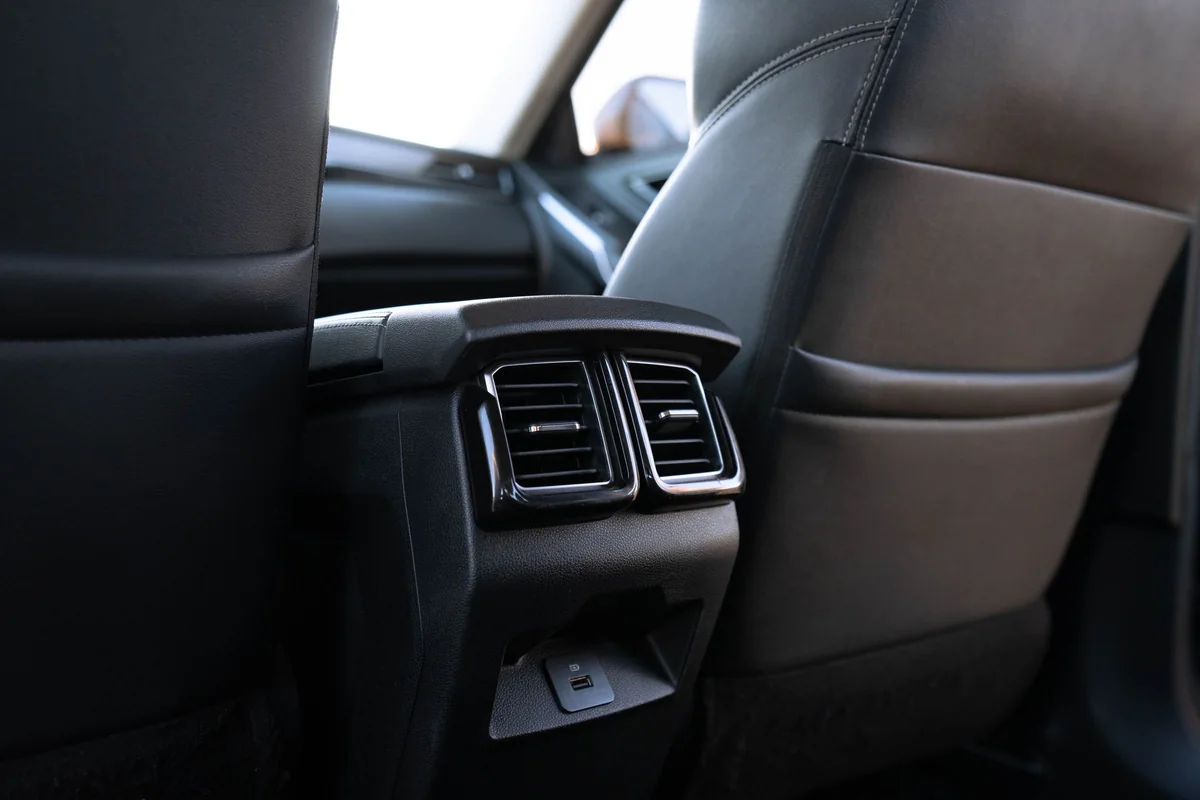
Use this heater-output record
Keep a short note on your phone or paper. Leave an item marked “unknown” when you have not observed it safely. A technician can decide what needs testing; you do not need to gather every detail before requesting help.
| Observation | What to write down |
|---|---|
| Vehicle | Model year, model and any relevant recent work |
| Settings | Requested temperature, fan setting, outlet mode and separate zones |
| Air movement | Normal, weak or absent, and at which outlets |
| Temperature pattern | Always cold, intermittent, or different between cabin areas |
| Timing | Startup, later in the trip, or after a recent repair |
| Other concerns | Exact warnings, unusual odors, visible fluid or impaired defogging |
Useful additional details include:
- Whether the problem started suddenly or developed gradually.
- Any cooling-system or dashboard work shortly before the change.
- Whether a passenger noticed the same symptom at a different outlet.
- Whether windshield clearing has become slower or ineffective.
Describe observations in ordinary language. “Air moves strongly at the center vents but stays cold” is useful without declaring the blower, thermostat or heater core defective. If a temperature display looks different from usual, record that difference rather than assigning a numerical diagnosis from memory.
Keep comparisons specific. For example, “The driver's center vent felt cold with the temperature set to warm; I did not check the rear vents” separates an observation from a gap in the record. Do not turn an unchecked outlet into “all vents.” If a passenger supplies a detail, label it as their observation. A short, accurate record is more useful than a complete-looking checklist filled with guesses.
Recognize concerns that should not wait
Poor heat can become a visibility issue. AAA's window-defogging guidance explains that condensation obstructing the driver's view makes driving unsafe. Follow your vehicle's defogging instructions, and do not begin or continue a trip if you cannot maintain a clear view. Stop in a safe location and arrange assistance when needed.
An engine-temperature warning is a separate urgent concern, even if the cabin air feels cold. For one manufacturer example, Toyota's warning-light guidance directs an immediate safe stop for its high coolant-temperature warning. Your vehicle's display and shutdown directions may differ; follow its manual and seek help.
Do not drive longer to see whether heat returns when the engine is running hot. Steam, smoke or an unfamiliar strong odor also calls for caution and professional guidance. Never open a hot or pressurized cooling-system cap, reach around moving engine components or run the engine in an enclosed space to test cabin heat.
Tell the shop or roadside provider about these concerns before arranging transport. A booked appointment does not establish that the vehicle is safe to drive there.
Why symptoms do not identify a failed part
The controls add another distinction. DENSO's actuator and resistor explanation separates regulation of hot and cold air from control of blower speed. A difference between cabin zones, a change in fan behavior and a lack of warmth are observations for testing, not interchangeable diagnoses.
Likewise, a cold heater does not establish that coolant is low. If a coolant warning or level concern is present, Big Mission's low coolant level guide covers that question separately. Keep the actual message and any recent service history available for the technician.
Avoid buying a part simply because someone else's car had a similar symptom. Do not try an online flushing, bleeding or control-reset procedure written for another model. Ask what evidence supports the proposed repair and whether additional testing is needed before authorizing it.
Prepare for a heating-system appointment
Send the vehicle details and observation record when booking. Explain any loss of windshield clearing, temperature warning or recent cooling-system work first. Ask whether the shop needs the vehicle in a particular condition for assessment and how it should arrive if safe travel is uncertain.
Before the appointment, gather any recent service paperwork you already have. Share what work was done and when the heating behavior changed, without assuming the two are connected. If the symptom is intermittent, explain that when booking rather than promising you can demonstrate it on arrival. Ask how the shop will communicate its findings and obtain your authorization for further work.
Big Mission Automotive offers heating and cooling system service for drivers around Palmer Lake and Colorado Springs. The shop can confirm the appropriate assessment for your vehicle; this checklist does not promise a particular test, diagnosis or repair time.
When you contact Big Mission Automotive, describe the air volume and temperature pattern separately. Keep the original notes even if the heater starts working again before the visit, and tell the shop when the symptom last occurred.