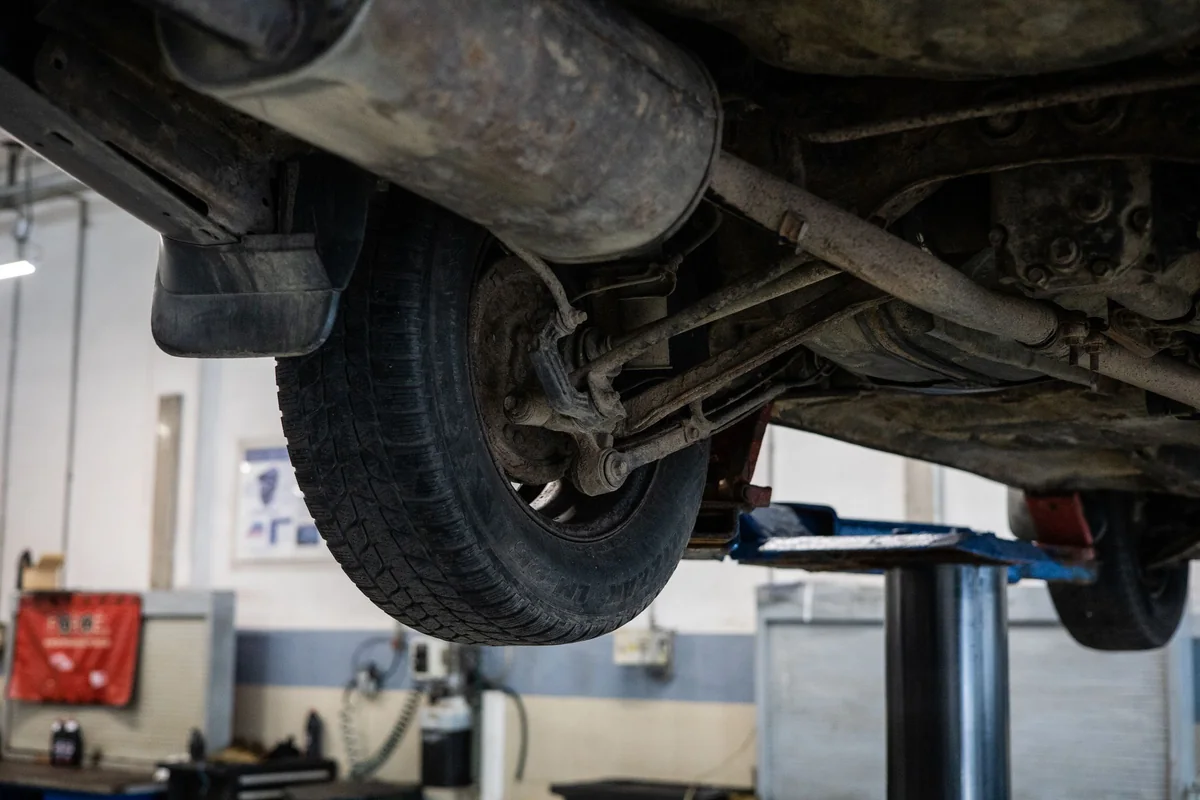
Quick answer: If your car squeaks over bumps, record when and where the sound occurs and arrange a suspension inspection rather than choosing a replacement part by ear. Nearby joints, bushings, mounts, and other components can produce overlapping symptoms. New steering or handling changes make the concern more urgent, and a noise description cannot establish that the car is safe to drive.
What the squeak can and cannot tell you
A squeak that appears as a wheel moves over a speed bump gives the technician a starting condition to investigate. It does not prove that a strut, ball joint, or bushing has failed. Sounds can travel through the body, so the corner where you hear the noise may differ from the actual source.
Suspension layouts also vary. A component fitted to one model may be absent or arranged differently on another. Even within the same model range, suspension options can change what the technician needs to inspect.
For background on one possible area, read about struts and their wear symptoms. Keep that explanation separate from a diagnosis: a noise near a strut can come from its mount or another nearby part. Replacing the most familiar component without finding the source can leave the original complaint unresolved.
Record the conditions while they are fresh
Write down what happened during ordinary driving, once you are safely parked. You do not need technical vocabulary. “A brief squeak from the rear when leaving my driveway” is more useful than a confident guess about a part.
Use this log to organize the information:
| Observation | What to write down |
|---|---|
| Location | Front, rear, left, right, or uncertain; whether a passenger heard it elsewhere |
| Road condition | Speed bump, driveway entrance, uneven pavement, or another ordinary situation |
| Movement | Straight ahead, turning, braking, or first moving away |
| Timing | First drive of the day, after driving, intermittent, or every time |
| Weather | Dry, wet, cold, or warm when you noticed it |
| Other changes | Steering feel, vibration, ride height, tire wear, or a warning message |
| Recent history | Pothole impact, tire work, suspension repair, or a change in load |
Record the odometer reading and approximate date the noise began. If you are uncertain about a detail, mark it uncertain. A clear account of what you actually observed gives the shop better information than filling gaps with assumptions.
If a recording already exists, ask whether the shop would find it useful. Never hold a phone while driving, ask someone to stand near moving wheels, or repeat a maneuver just to capture the sound. A recording can help describe the concern; it cannot show whether a joint is loose or a mounting point is damaged.
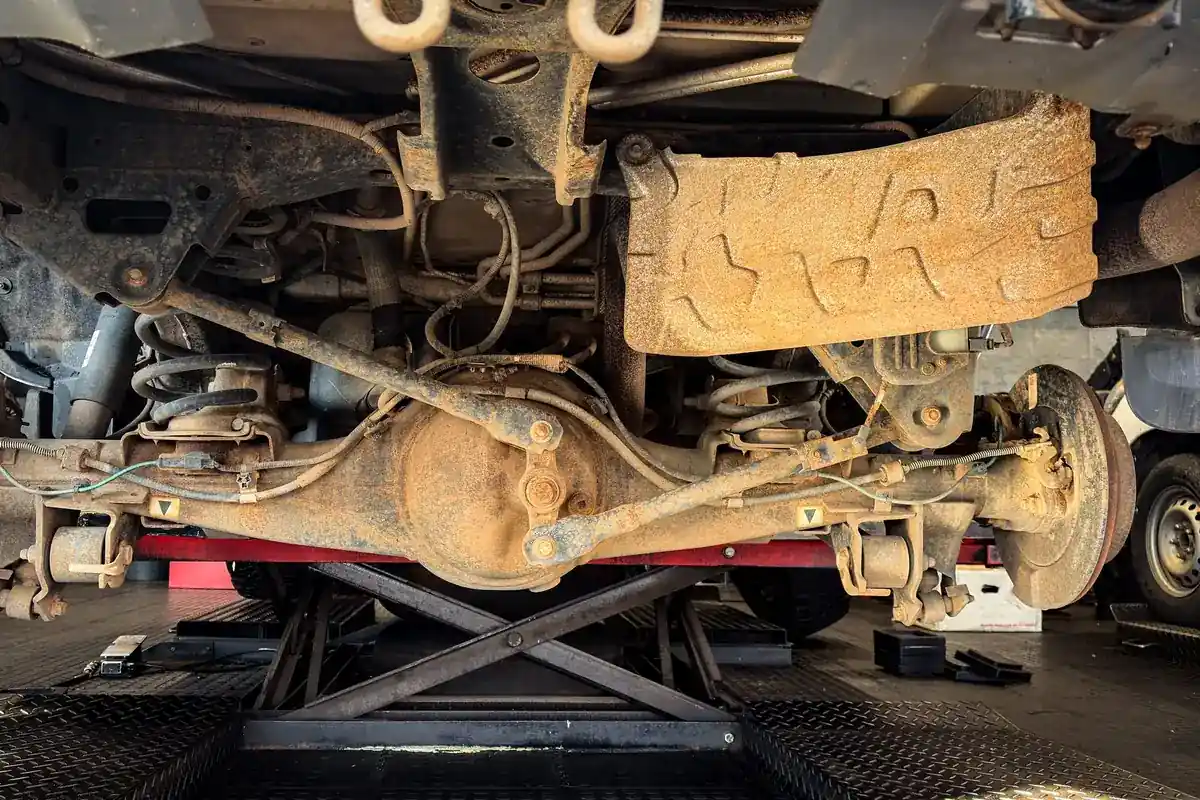
Signs that change the urgency
Treat a new squeak differently when the way the vehicle steers or handles also changes. Tell the shop promptly about:
- Steering that suddenly feels loose, stiff, or difficult to control.
- New pulling, drifting, or instability during normal driving.
- A strong vibration, repeated clunk, or sudden change in ride height.
- A wheel that appears displaced, visible damage, or a problem following an impact.
- New uneven tire wear alongside the noise, even if it developed gradually.
MOOG's ball-joint symptom guidance explains that wear can affect steering and produce noises or vibration. Severe joint separation can cause loss of control. Those risks explain why a suspension complaint deserves an assessment; they do not mean every squeak is a failing ball joint.
If control feels compromised, stop in a safe place and seek professional assistance. Do not continue testing the vehicle on the road. Ask about suitable transport rather than relying on a generic online mileage allowance. A quiet stretch of road or a noise that temporarily disappears does not establish roadworthiness.
Avoid roadside experiments
Do not crawl underneath a vehicle supported only by a jack, loosen suspension fasteners, or attempt to compress a spring to locate a sound. Loaded suspension parts and lifting points require the correct equipment and vehicle-specific procedures.
Avoid spraying an unidentified part to see whether the squeak stops. A temporary change would not establish the component's condition or prove that the product was appropriate. Leave diagnosis and any lubrication decision to the applicable service information and the person inspecting the vehicle.
You can still gather records without touching the suspension. Find the invoice for recent work and note whether the noise began before or afterward. Report the sequence without assuming that the earlier repair caused it.
What to ask about the inspection
Tell the shop whether the squeak appears at the front or rear, and whether it occurs with steering movement. MOOG's suspension-noise isolation guide starts with identifying the general area, then describes controlled checks using workshop equipment. It is guidance for professional inspection, not a driveway test to copy.
Before booking, ask what the initial assessment covers. Depending on the vehicle and concern, useful questions include:
- Will the technician check nearby steering, wheel, and suspension components rather than assuming one source?
- Can the shop assess the vehicle's particular suspension equipment and any modifications?
- How will additional diagnostic work be discussed if the sound cannot be reproduced?
- Will the findings distinguish confirmed damage or looseness from items that need further investigation?
An intermittent noise may be absent at the appointment. Describe the original conditions and ask how the shop handles an unresolved complaint. “Unable to reproduce today” answers a different question from “the complete suspension has been established as safe.” Clarify the limits of the inspection and the next step.
Discuss findings before authorizing repairs
Ask which finding supports the proposed work. A useful explanation connects the observed noise or measured problem to a specific component and the service procedure for that vehicle. A symptom description alone should not become a shopping list of replacement parts.
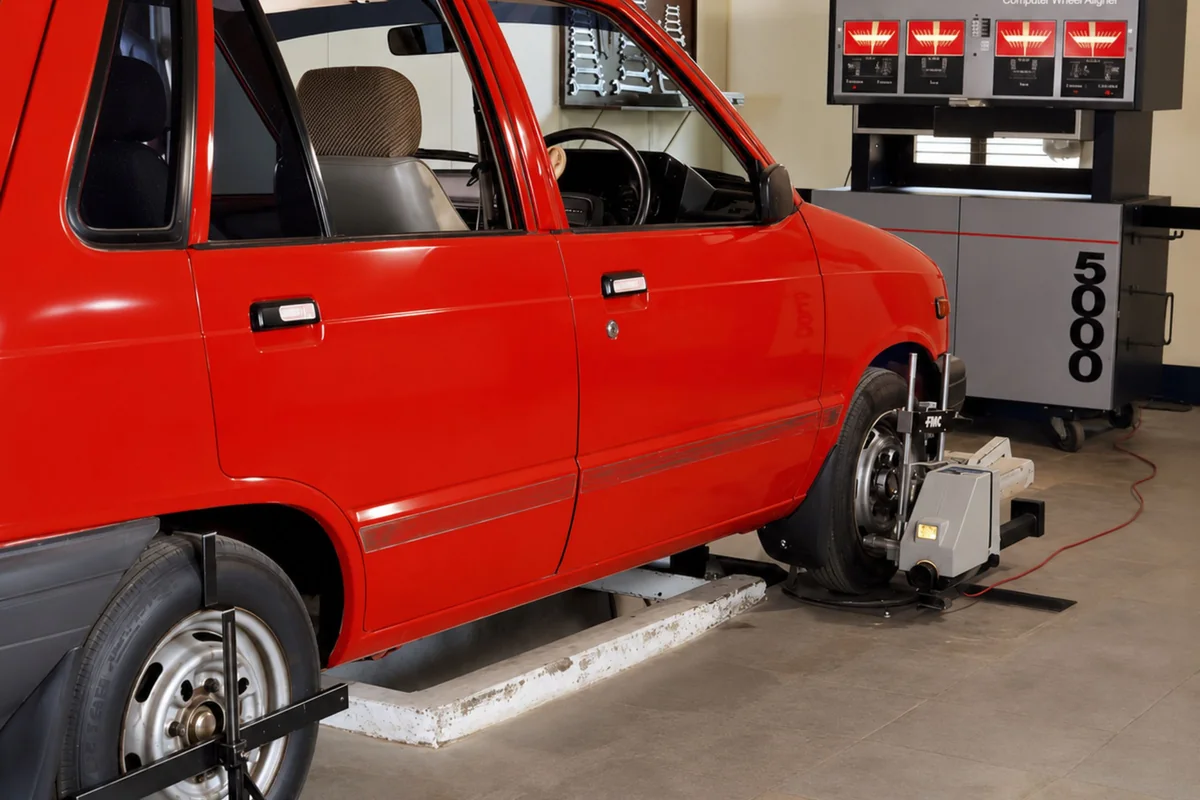
Request a written estimate and ask which items address the immediate complaint. Keep scheduled maintenance, related wear, and optional work clearly identified. If an alignment or another check is recommended, ask why it applies to the repair being proposed.
Also ask how the original concern will be checked afterward. If further diagnosis is needed, agree on the next step before authorizing it. This keeps the decision tied to the evidence rather than a promise that replacing one part will eliminate every future noise.
Bring the log to the shop
For an assessment in the Palmer Lake and Colorado Springs area, start with Big Mission Automotive's suspension repair service. Have the VIN, mileage, symptom log, and recent repair records available when you contact the shop.
Explain any steering changes before discussing an appointment. Confirm whether the car should be transported, what the initial inspection includes, and how findings and estimates will be provided. Your observations help the technician investigate the right complaint without asking you to diagnose it first.