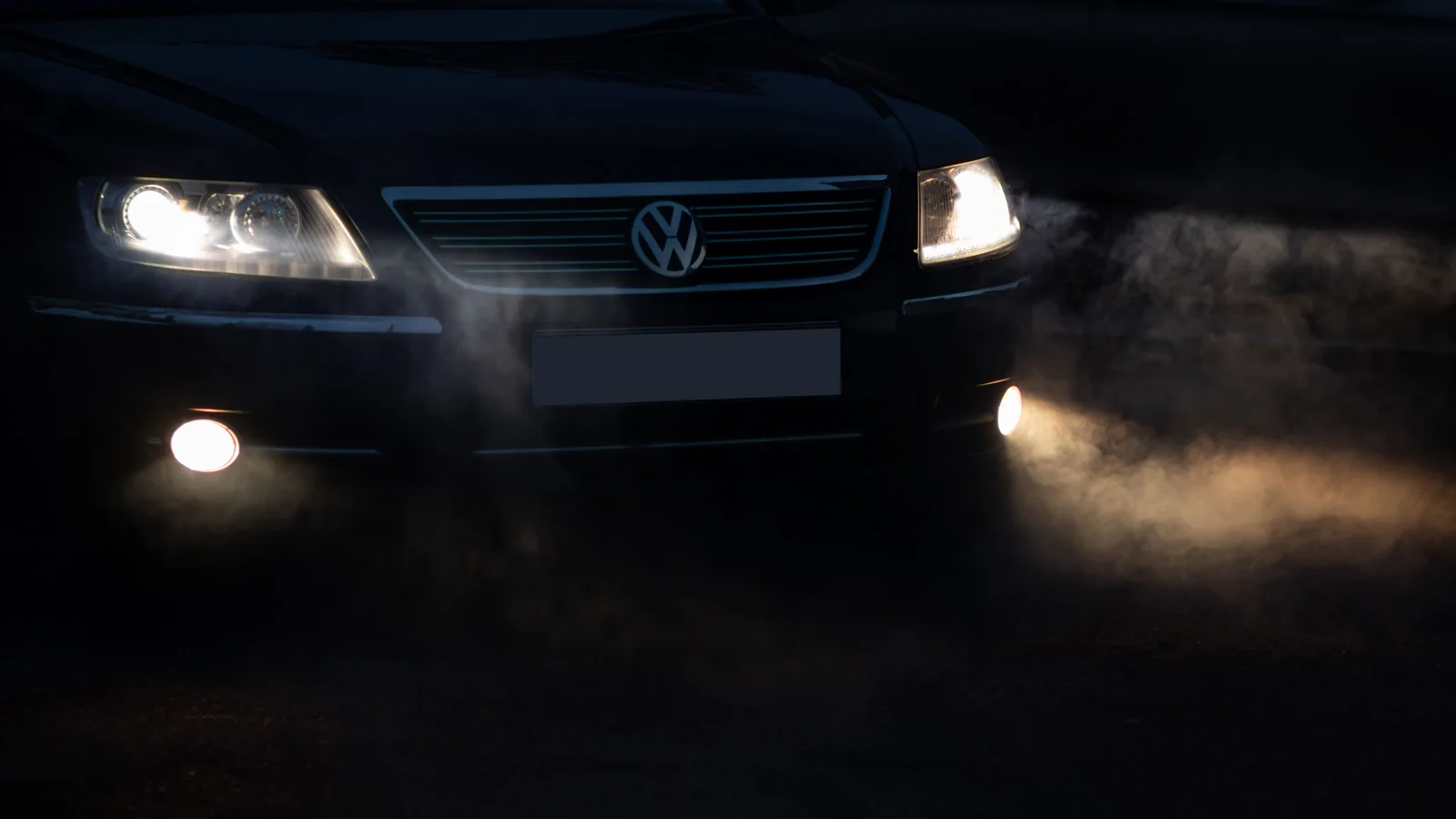
Quick answer: If you are asking, “Why are my headlights dim?” common causes include aging bulbs, hazy lenses, poor connections, low system voltage, internal headlamp damage, and incorrect aim. When both lights change at once—or brightness changes with engine speed or electrical load—test the power supply and charging system before installing brighter bulbs.
Headlights lose performance in different ways. One may look weaker than the other. Both may seem dull. The beam may end too close to the car, or the lights may flicker when another electrical accessory turns on. These patterns help narrow the possibilities, but they do not identify the failed part by themselves.
Start With the Pattern You See
- One dim headlight: A worn bulb, damaged connector, poor ground, moisture, or a problem inside that headlamp assembly is more likely.
- Both headlights are dim: Aging bulbs or lenses can affect both sides, but shared wiring, grounds, system voltage, and charging performance also deserve attention.
- Brightness changes with engine speed: The charging system, battery condition, belt drive, connections, or voltage control may need testing.
- The light looks bright but the road stays dark: Beam aim, lens condition, or the reflector/projector inside the housing may be the real issue.
- Flickering or intermittent light: A loose connection, overheated socket, failing bulb or module, or a control-system fault may be involved.
If visibility has become poor or a lamp cuts out unpredictably, avoid unnecessary night driving until the problem is checked.
Aging Bulbs Can Get Dim Before They Fail
Halogen bulbs often lose output gradually, so the change can be easy to miss. Replacing a burned-out bulb may also make the older bulb on the other side look noticeably weaker. When appropriate for the vehicle, replacing halogen bulbs as a matched pair can help maintain a consistent color and beam.
Not every headlamp uses a serviceable halogen bulb. Factory HID and LED systems can include ballasts, drivers, modules, leveling hardware, and integrated light sources. Installing an incorrect bulb or an unapproved LED conversion can create glare without putting useful light on the road. The first step is identifying the system and using parts that match its design.
Cloudy Lenses Reduce Useful Light
Many modern headlamps use a polycarbonate outer lens. Sunlight, weather, road debris, and age can wear the protective surface and leave it hazy or yellowed. The bulbs may still illuminate, but less usable light reaches the road.
In a 2018 study involving two popular 11-year-old sedans, AAA found that deteriorated headlights produced only about 20 percent of the light available from new replacement headlights. Restoration improved output in that limited test, but it still reached only about 22 percent of the new-headlight level. The exact result will vary by vehicle and condition, but the test shows why a lens that looks merely cosmetic can become a visibility problem.
A proper restoration process should address the damaged surface and restore UV protection. A quick polish without a protective finish may not last. Severe cracking, water intrusion, or damage inside the assembly may make replacement the better option.
Low Voltage and Resistance Can Affect Headlight Output
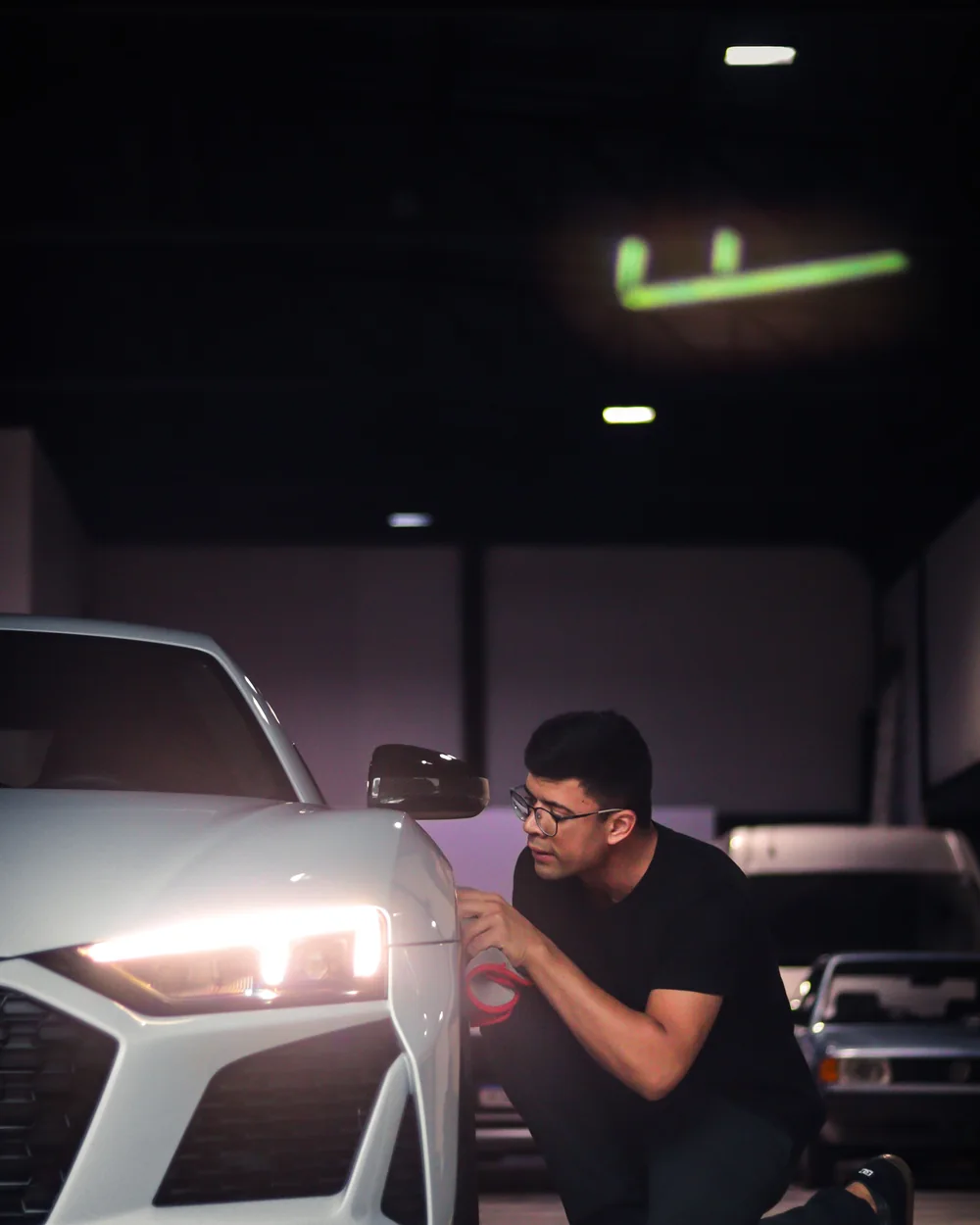
A headlight circuit needs more than wiring that looks intact. Corrosion, an overheated connector, a weak ground, or resistance in the power feed can reduce voltage under load. A technician may compare voltage at the headlamp with system voltage. Voltage-drop tests then check both the power and ground sides of the circuit.
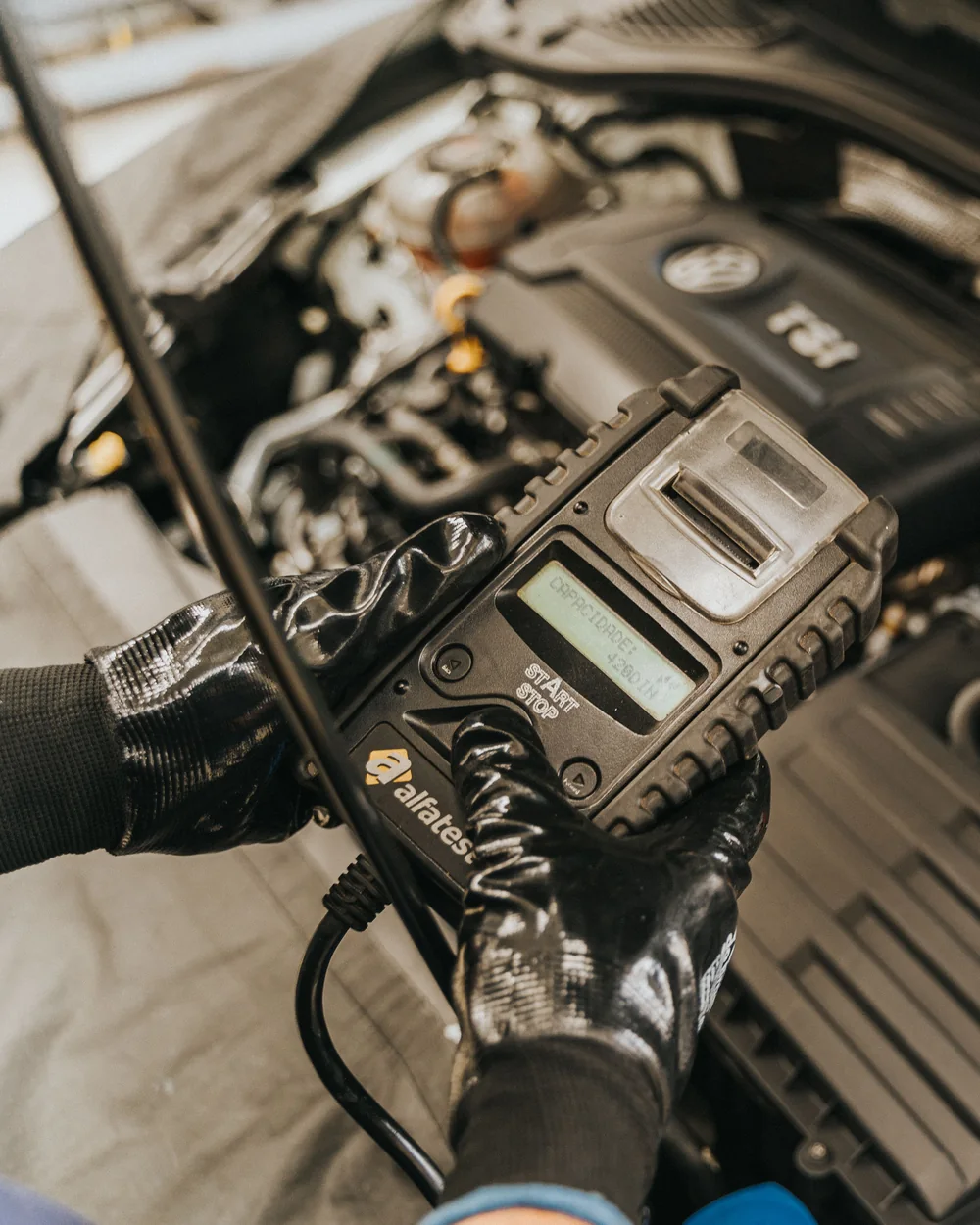
If both headlights dim when a large electrical load is switched on, the battery and charging system may need testing. Try to note whether it happens with the blower, rear defroster, or another accessory. This does not automatically mean the alternator is bad. Battery condition, cable connections, grounds, belt condition, charging control, and the vehicle operating strategy all affect the result.
For electrical symptoms, a scan for relevant control-module faults can complement circuit testing. The Big Mission Automotive electrical diagnostics service is designed to identify the cause before parts are replaced.
A Clear Lens Does Not Rule Out Internal Damage
Parts inside a headlamp can fail even when the outer lens looks clear. The reflector, projector bowl, shutter, or wiring may be involved. Moisture or heat damage may also reduce performance. As one model-specific example, a Nissan service bulletin for certain 2013–2018 Altima vehicles describes low-beam deterioration caused by delamination of the internal reflecting surface. That bulletin does not apply to every car. It simply shows why a bulb and outer lens are only part of the system.
Internal headlamp faults usually require vehicle-specific inspection. On some cars, the correct repair is a component; on others, it is a complete assembly followed by aiming or calibration.
Brightness and Aim Are Different Problems
A bright headlight can still perform poorly if its beam is aimed too low, too high, or off to one side. Suspension repairs, collision damage, a loose housing, cargo load, ride-height changes, or an incorrectly installed bulb can alter the pattern.
A garage wall can help you notice that the two sides do not match, but it is not a substitute for the correct aiming procedure. Raising the beam by guesswork can reduce your own visibility and glare into oncoming traffic.
What to Check Before Your Appointment
- Note whether one or both headlights are affected.
- Check whether the symptom changes after startup, with engine speed, or when electrical accessories are switched on.
- Look for haze, cracks, condensation, or an obvious color difference without disassembling the lamp.
- Record any warning messages and whether the problem is steady, intermittent, or temperature-dependent.
- Avoid installing higher-wattage bulbs or adjusting the aim before diagnosis; either can hide the original clue or create a new problem.
Big Mission Automotive provides lighting inspection, repair, and replacement in Colorado Springs for European vehicles. We can evaluate the bulbs, lenses, assemblies, circuits, system voltage, and beam aim, then explain which repair addresses the actual fault.
If your headlights are no longer giving you a clear view of the road, contact Big Mission Automotive to arrange an inspection.