Quick answer: A car's water pump may last 60,000 to 100,000 miles or longer, but the right replacement plan depends on pump design and vehicle-specific service requirements. Coolant condition also matters, and a timing-belt-driven pump may be replaced with the belt. A leak or overheating warning needs attention regardless of mileage.
If your car is approaching 100,000 miles, it is reasonable to ask whether the original water pump should stay or go. The answer starts with identifying the pump fitted to your engine, checking the maintenance requirements, and reviewing any symptoms or previous repairs.
A quiet engine and a clean driveway are useful observations. Neither tells you exactly how much life a pump has left.
What mileage should you expect from a water pump?
Kelley Blue Book gives a general service-life estimate of 60,000 to 100,000 miles for older vehicles and says pumps on modern vehicles can last 100,000 miles or more. Use those figures as broad ownership context; your car's replacement decision needs its own evidence.
A pump can develop a leak or operating fault before that range. Another may remain serviceable beyond it. Reaching 100,000 miles does not, by itself, prove that replacement is due or that continued use is appropriate.
Before making the decision, check the vehicle's exact model year, engine, maintenance schedule, and repair history. If there is a specified replacement requirement, follow it rather than a general estimate found online.
Why the type of water pump matters
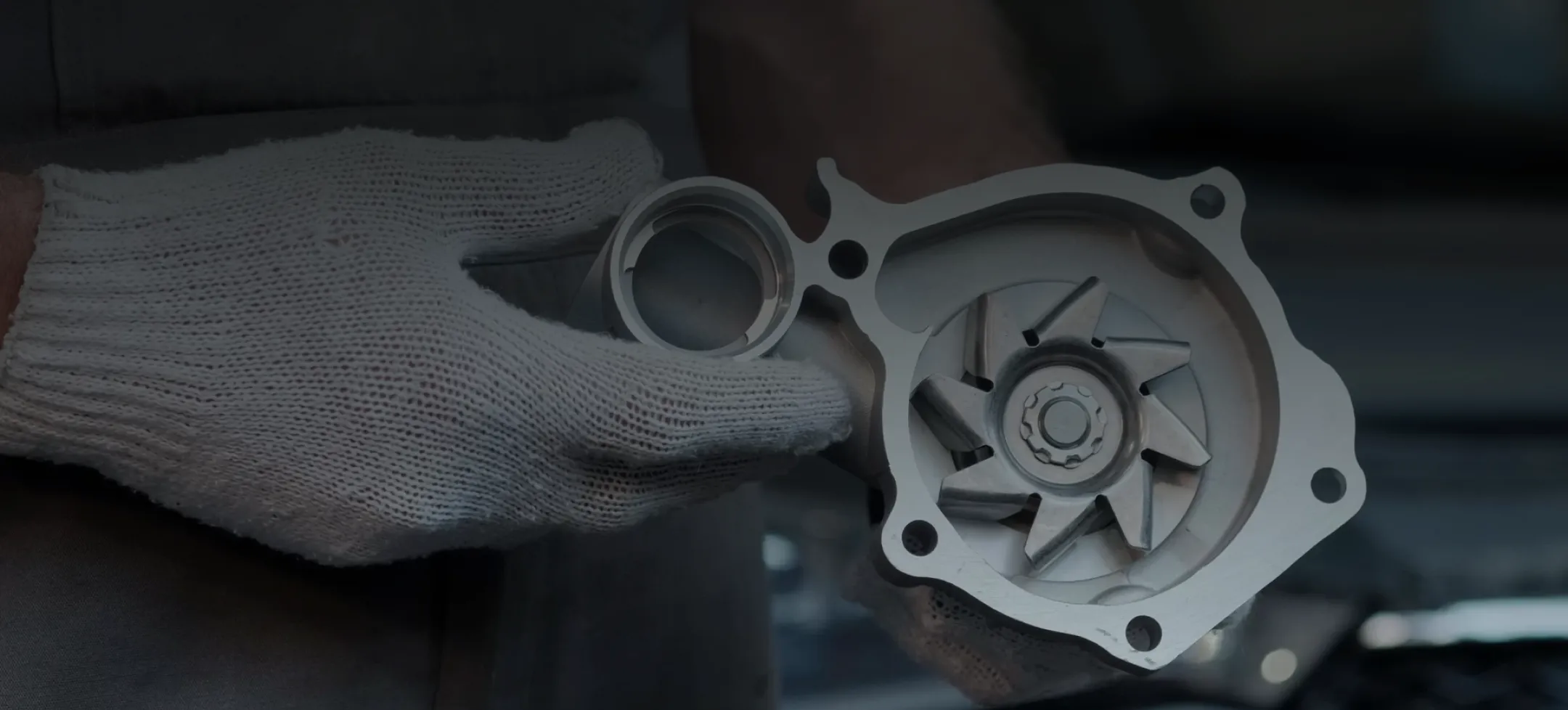
The pump moves coolant through the cooling circuit to help control temperature. How it is driven changes the service discussion.
| Pump arrangement | What it means for replacement planning |
|---|---|
| Timing-belt-driven pump | Review the pump when timing-belt service is due. Access and related components may overlap. |
| Accessory-belt-driven pump | Assess the pump and its belt-drive components. Do not apply a timing-belt replacement interval automatically. |
| Electrically driven pump | Assess pump operation and electrical controls using vehicle-specific diagnostics. Belt condition alone cannot establish pump health. |
| Separate auxiliary pump | Confirm which cooling circuit it serves. Replacing one pump does not establish that every pump was replaced. |
Gates explains that some vehicles use multiple electric pumps for different systems. A receipt that simply says “water pump replaced” may therefore need clarification.
Do not assume that every BMW, Audi, Volkswagen, or other European vehicle uses the same arrangement. Identify the engine and installed system before comparing replacement advice.

What can shorten a water pump's life?
Coolant does more than carry heat. Its compatibility and condition matter to the parts it circulates through. Gates identifies contaminated coolant and incompatible coolant mixtures as causes of corrosion, deposits, and seal problems. Its electric-pump guidance also identifies incorrect coolant and moisture reaching electronics as possible causes of premature failure.
For belt-driven pumps, the drive system matters too. Gates links incorrect belt alignment or excessive tension with bearing and shaft damage. A replacement pump alone may not resolve a problem caused by another drive component.
Practical maintenance means using the specified coolant and following the applicable service instructions. Do not choose a product by color alone or assume an additive can repair a worn bearing, failed seal, or electrical fault. Records of previous coolant and cooling-system work can help a technician assess the situation.
Signs to check before the mileage estimate matters
Arrange an inspection when something changes, even if the pump is well below a mileage estimate.
- Coolant loss or dried residue. A wet area, recurring low level, or residue around the pump can point to leakage. Hoses, connections, the radiator, and other parts can also leak, so a puddle does not identify the pump by itself. Our guide to low coolant levels covers that broader problem.
- New grinding, rumbling, or squealing. Gates' failure guide identifies bearing noise as a possible pump concern. Other belt-drive parts can make similar sounds. Do not reach near belts or pulleys to locate a noise while the engine is running.
- An overheating warning or rising temperature. Poor coolant circulation can cause overheating, but it does not prove that the pump has failed. The cause needs diagnosis rather than a parts guess.
- A cooling-system warning without a visible leak. An electric pump can have operating or electronic problems. A dry parking space does not rule those out.
Do not wait for every symptom to appear. A new warning or repeated coolant loss is enough reason to ask what inspection is needed.
Should you replace the water pump with the timing belt?
When the timing belt drives the water pump, the two should be discussed together. Gates recommends replacing timing-belt-driven pumps during timing-belt replacement, rather than assuming the existing pump will last through another belt service cycle.
That recommendation is specific to the arrangement. It does not mean an electric pump needs replacement whenever any belt is changed, or that all engines share one interval. Ask how the recommendation applies to your engine and whether it reflects scheduled service, current findings, or preventive work.
Big Mission's article on when a timing belt should be replaced explains how to check the belt's own requirements. Keep the two questions connected without treating them as interchangeable.
Can you keep driving with a suspected water pump problem?
There is no dependable “miles remaining” allowance for a leaking or malfunctioning pump. If the temperature warning appears, the gauge enters the hot range, or steam is visible, stop safely and follow the vehicle's warning and shutdown instructions. Arrange roadside assistance when safe operation is uncertain.
Never remove a cooling-system cap while the system is hot or pressurized. Do not keep driving to test whether the temperature settles down, and do not treat a coolant top-off as a completed repair.
If there is a leak but no temperature warning, contact the shop for vehicle-specific advice before the trip. That is a different situation from discussing preventive replacement of a pump with no symptoms.

What to ask before approving replacement
A useful estimate should explain why the work is recommended and which components it includes. Ask:
- Which pump is involved, and what finding or service requirement supports replacement?
- Is it driven by the timing belt, an accessory belt, or an electric motor?
- Are related belts, tensioners, seals, or other components part of the required work?
- Which coolant and filling procedure does this vehicle require?
- How will correct operation and the absence of leaks be checked afterward?
Keep the invoice with the replacement date, mileage, and parts listed. It is more useful for future planning than a note that the cooling system was “done.”
Water pump service near Colorado Springs
Big Mission Automotive offers water pump diagnosis and replacement at its Palmer Lake shop for Colorado Springs-area drivers. Bring your VIN, mileage, previous repair invoices, and the exact wording of any warning message.
Whether the concern is a new leak or an approaching maintenance visit, contact Big Mission Automotive to discuss the next step. Bring those details to the conversation so any recommendation fits the pump installed in your car.